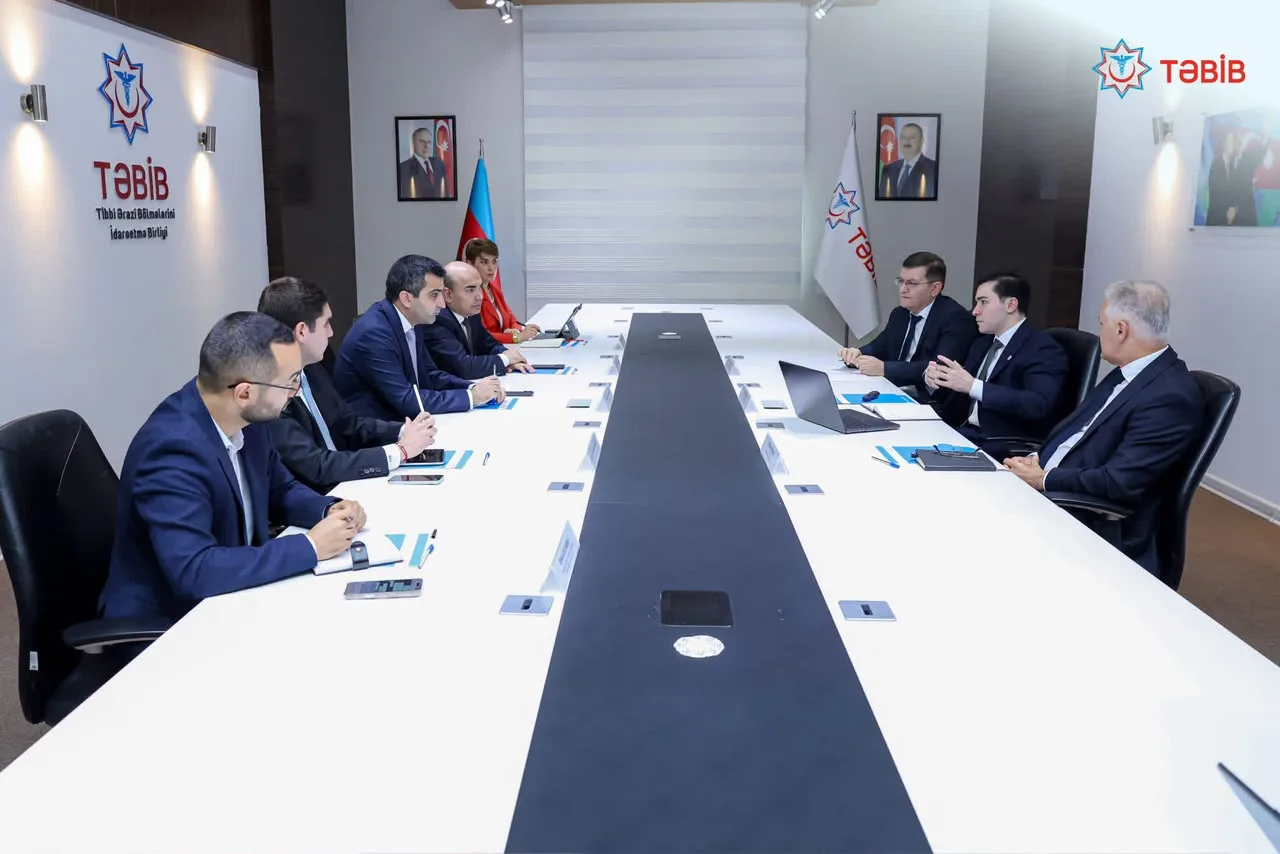
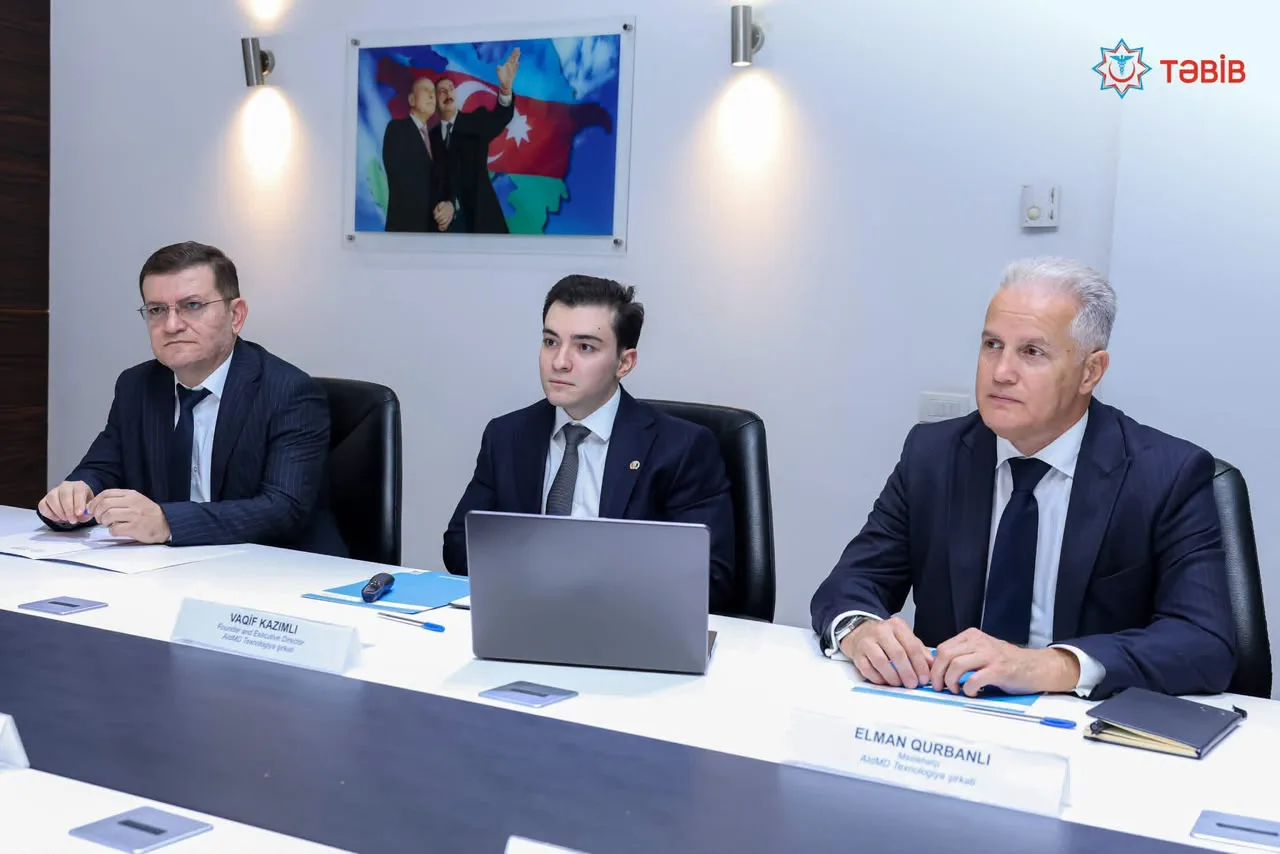
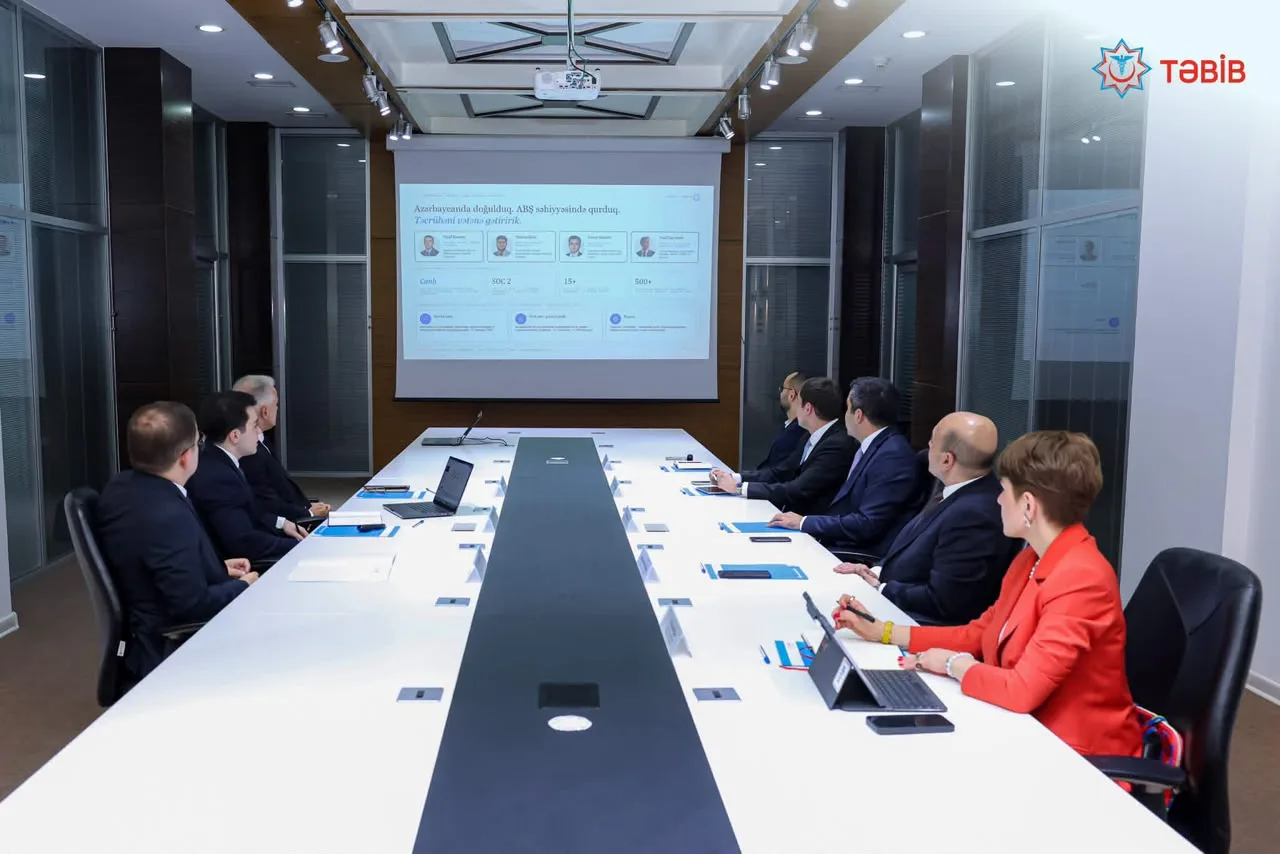
On September 29, a delegation from AIdMD Technologies met with TƏBİB, the state body that manages Azerbaijan's public medical institutions, at its headquarters in Baku. On the table: whether artificial intelligence and digital health solutions of the kind we build for US healthcare could support the work of clinicians in Azerbaijan.
What the meeting covered
We presented the AIdMD platform: an electronic healthcare system that turns the clinician-patient conversation into a structured medical note and supports analysis of clinical data, with every AI output reviewed and signed by a clinician before it enters the record. From there the discussion widened to the directions where cooperation could matter most — documentation burden, continuity of patient context across care settings, and how AI can keep medical services patient-centered rather than screen-centered.
The two sides exchanged views on what solutions like these could contribute to the quality, efficiency, and patient-centeredness of care. This was a first conversation, not an announcement — and it was a serious, well-prepared one.
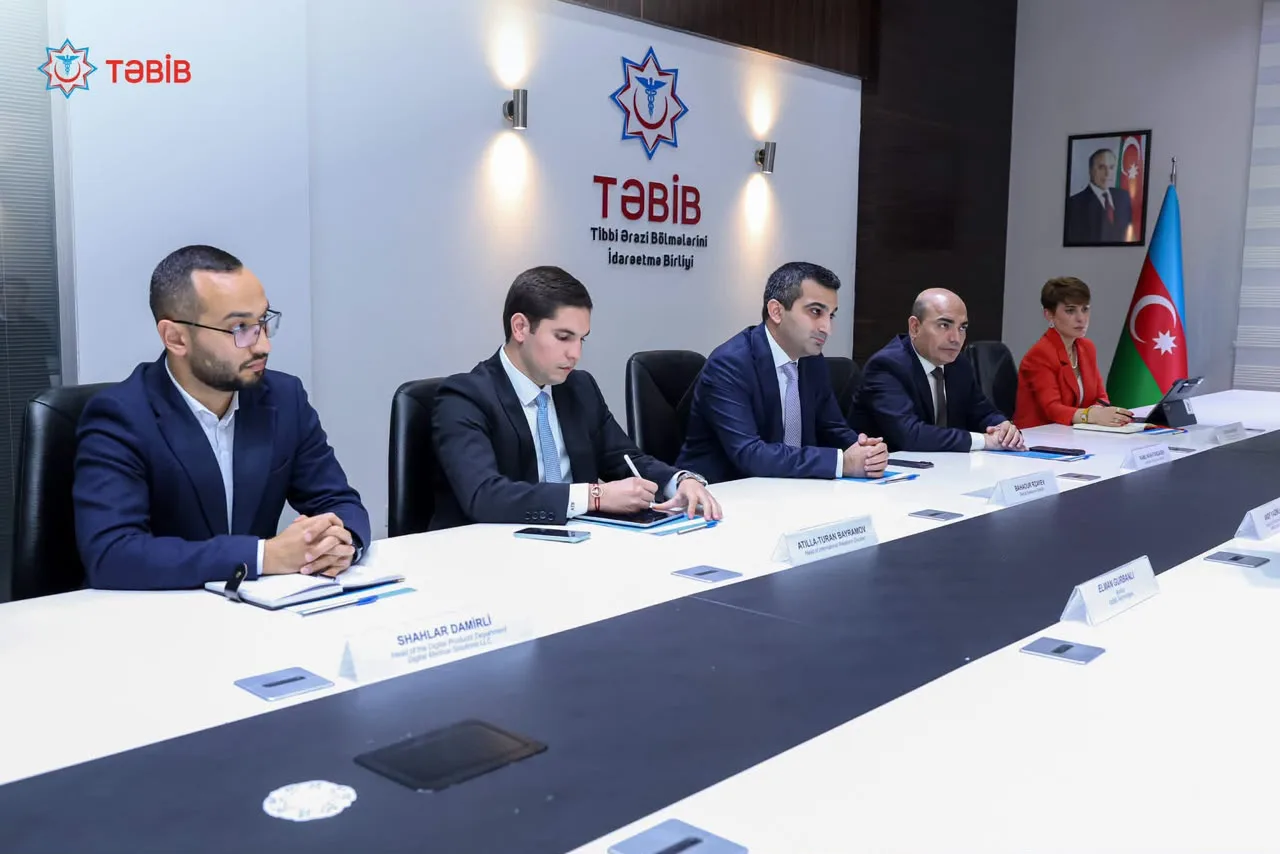
Who was in the room
AIdMD was represented by our founder and executive director Vagif Kazimli, joined by company advisor Elman Qurbanov. TƏBİB's delegation brought together senior representatives from across the agency, including its digital products and international relations teams.
Why this meeting meant more to us than most
The first slide we presented carried a single line in Azerbaijani: born in Azerbaijan, built in American healthcare, bringing the experience home.
That is the literal history of this company. AIdMD was founded by a team with Azerbaijani roots, and the platform was built inside the US healthcare system — launched out of the University of Miami, deployed in American outpatient and inpatient settings, and integrated with EHRs through SMART on FHIR. What we have learned there is not specific to one country: clinicians everywhere spend too much of their day feeding the record instead of talking to the patient, and the chart's full story rarely travels with the patient from one setting to the next.
Azerbaijan is investing in the digitalization of its healthcare system, and TƏBİB sits at the center of that work. Getting to present what we have built, in the country where our story started, is not something we take for granted.
What happens next
We will continue the dialogue, and we will share news when there is news. For now, our thanks to TƏBİB for the welcome and for a substantive discussion about what AI can — and should not — do in clinical care.
See the platform we presented
The walkthrough we gave in Baku is the same one we give practices and health systems every week. Book a demo at https://aidmdusa.com/demo